


Did Fed Chair Jerome Powell Throw President Donald Trump Under the Bus Concerning Inflation for a Second Straight FOMC Meeting?
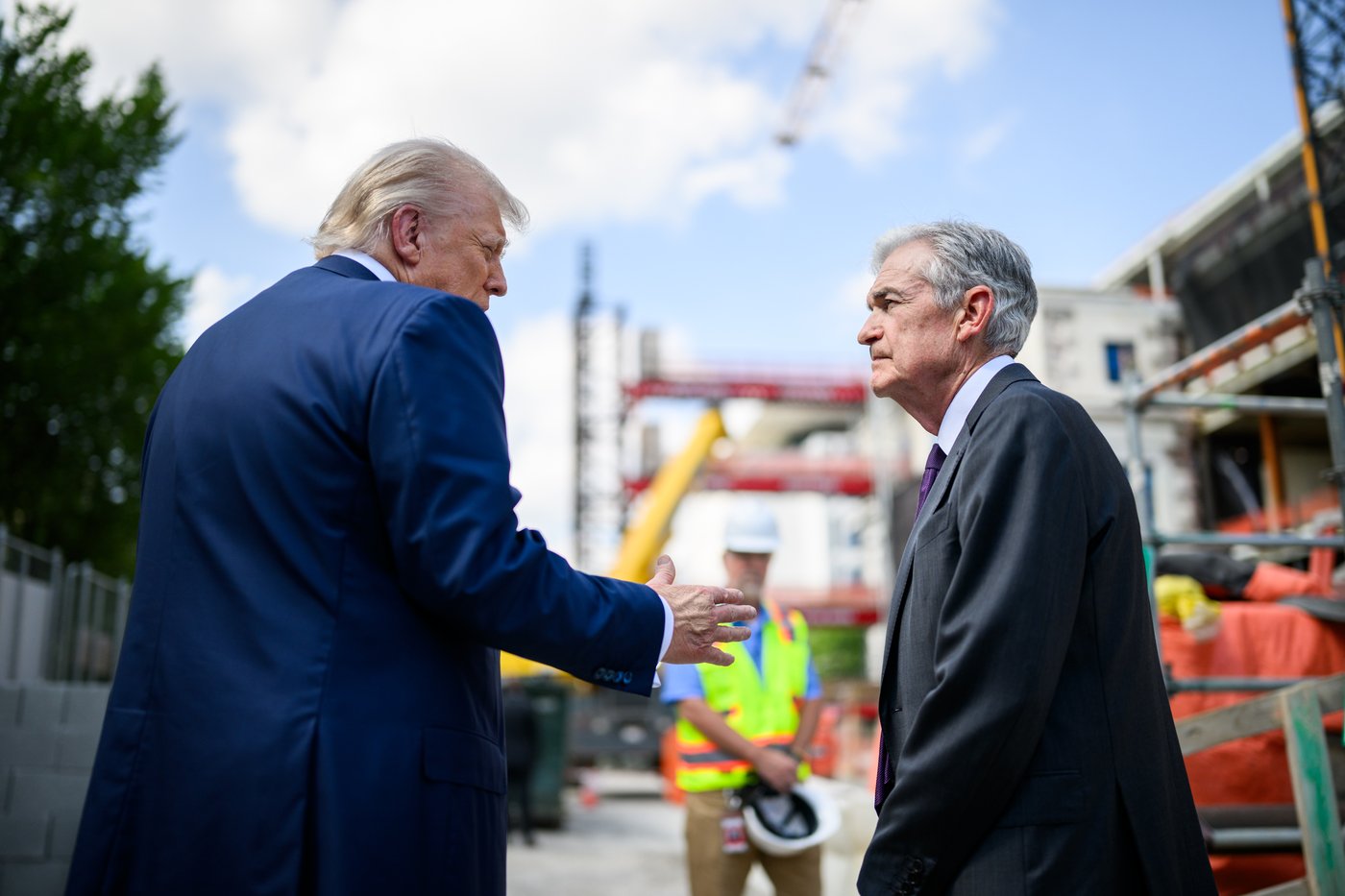
For years, Wall Street’s bull market rally has seemed impenetrable. The benchmark S&P 500 (SNPINDEX: ^GSPC) has rallied by at least 16% in six of the last seven years, while the ageless Dow Jones Industrial Average (DJINDICES: ^DJI) and technology-driven Nasdaq Composite (NASDAQINDEX: ^IXIC) have also reached record heights. Several factors have played a role in the stock market’s outperformance, including the rise of artificial intelligence (AI), the advent of quantum computing, better-than-expected corporate earnings, and President Donald Trump’s Tax Cuts and Jobs Act, which permanently lowered the peak marginal corporate income tax rate to 21%. Will AI create the world’s first trillionaire? Our team just released a report on the one little-known company, called an “Indispensable Monopoly” providing the critical technology Nvidia and Intel both need. Continue » But an argument can be made that the prospect of lower interest rates is at or near the top of the list of catalysts fueling Wall Street’s bull market. Unfortunately, this rate-easing cycle isn’t guaranteed to continue, thanks in part to President Trump’s tariff and trade policy. President Donald Trump speaking with Fed Chair Jerome Powell. Image source: Official White House Photo by Daniel Torok. Fed Chair Jerome Powell singles out Trump’s tariffs yet again at the March FOMC meeting On March 18, the Federal Open Market Committee (FOMC) — the 12-person body, including Fed Chair Jerome Powell, responsible for setting the nation’s monetary policy — chose to keep the federal funds target rate unchanged. It was the second consecutive meeting in which the FOMC kept rates unchanged, after three straight meetings with quarter-point rate cuts to end 2025. The Federal Reserve holding pat on interest rates in the March meeting wasn’t a surprise. Since the start of the Iran war on Feb. 28, oil prices have skyrocketed, resulting in higher transportation costs for consumers and businesses. When the March inflation report is released on April 10, we’ll almost certainly see a meaningful uptick in the prevailing inflation rate. But this wasn’t the big takeaway of the March FOMC meeting. Rather, it was Powell’s commentary on President Trump’s tariffs. While delivering remarks following the Jan. 28 FOMC meeting, Powell explained that the reason inflation has been somewhat elevated largely reflects “inflation in the goods sector, which has been boosted by the effects of tariffs.” Powell’s commentary notes that disinflation had been observed in the services sector. In other words, sticky inflation was prominently blamed on Trump’s tariffs at the January meeting.