


McCormick and Unilever’s foods business just announced a spicy merger
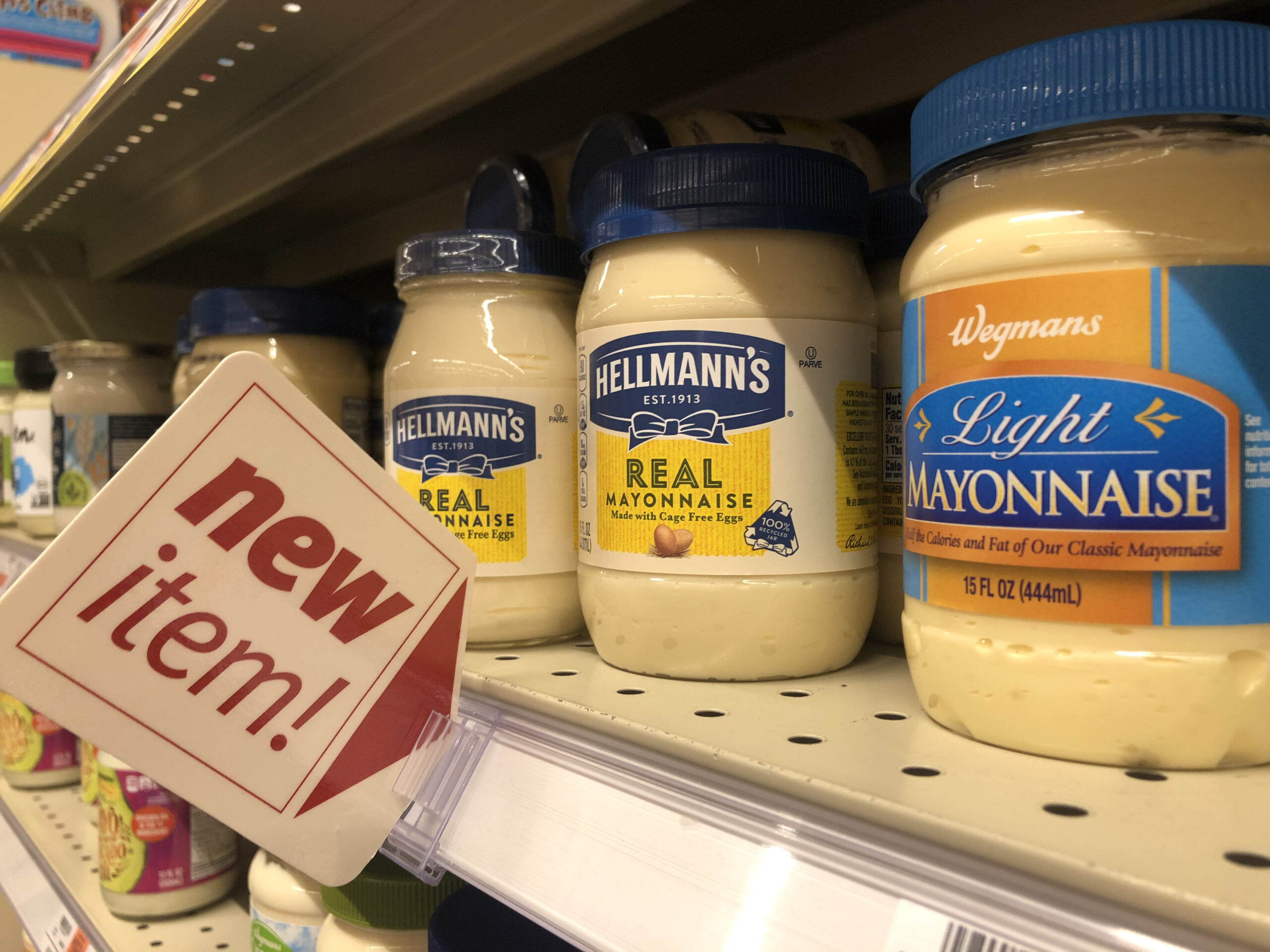
A spicy deal in the world of Big Food. McCormick & Company (MKC) and Unilever (UL) announced on Tuesday that they have entered into an agreement to combine McCormick with Unilever’s foods business, excluding those in India. The deal values the combined company at about $65.8 billion. McCormick shares rose 3% in premarket trading. Unilever rose slightly. NYSE – Delayed Quote • USD (MKC) View Quote Details 53.72 +0.65 (+1.22%) At close: March 30 at 4:00:02 PM EDT MKC UL Advanced Chart McCormick will get a Unilever food business performing respectably but enduring the same challenges as others in the industry, namely market softness due to evolving consumer preferences. Unilever’s food business grew sales by 2.5% last year, with operating profits gaining at a slightly faster pace of 2.7% due to a more watchful eye on expenses. Unilever called out “declining markets” in developed countries, with Hellmann’s outperforming due to a new flavoured mayonnaise range. Sales in the Cooking Aids segment increased by a low-single-digit percentage, mostly from higher prices. The Food Solutions segment saw flat year-over-year sales, as volume gains in North America were offset by declines in China. The company blamed “weaker out of home consumption” and economic pressure. The combination comes as the packaged food industry battles multiple headwinds and falling valuations. Investors are fretting about sticky inflation weighing on margins and the effect of rising GLP-1 adoption on sales. “We believe intensifying headwinds and emerging challenges have been building for some time to undermine historical assumptions underpinning the US consumer packaged goods investment case,” Deutsche Bank analyst Steve Powers warned in a new note on Monday. “Some of these dynamics may ultimately prove fleeting, temporary, or more cyclical in nature (e.g., macroeconomic or geopolitically derived factors). However, others (e.g, demographic inflections, underlying balance of power shifts in the value chain) are more likely to prove more structural or longer-lasting, in our view.” New Item sign at Wegmans Grocery Store in the mayonnaise aisle, Boston, Massachusetts. (Photo by: Lindsey Nicholson/UCG/Universal Images Group via Getty Images) · UCG via Getty Images Big Food is no stranger to dealmaking, both bulking up and slimming down. McCormick has aggressively pursued a flavor-first acquisition strategy over the past decade, pivoting from traditional spices toward high-growth, high-margin condiments and professional-grade solutions. The most transformative move occurred in 2017 with the $4.2 billion acquisition of Reckitt Benckiser’s food division, which brought iconic brands such as French’s Mustard and Frank’s RedHot sauce into its portfolio. This was followed in late 2020 by an $800 million deal for Cholula Hot Sauce, further solidifying McCormick’s dominance in the strong-performing hot sauce category.